
Flourish and Grow
A Monthly Newsletter for Inspiration, Information, and Wellness by Katie Beecher, LPC, Medical & Spiritual Intuitive

Note from Katie
Welcome back, I’m so glad you’re here. Winter (if it is winter where you live) is a symbolic time of rest, re-fueling, and even death of what is no longer needed to make way for the new. Animals hybernate and perennial plants build strength to emerge stronger in the springtime.
How are you using this time to rebuild and refresh? What are you letting go of and letting die so your new life and self can emerge stronger? Please tell me about your life and your journey.
In this issue, we’re looking at a few themes that come up constantly in my work: why certain diagnoses (like fibro and CFS/ME) can be “labels of exclusion,” how therapy is a sign of strength (not brokenness), and why healing isn’t about trying harder, it’s about finding what truly supports you now.
We’ll also talk about why muscle matters more in midlife (it’s never too late to get stronger, I started aerial and pole at 54!), and I’m sharing a quick supplement spotlight on L-glutamine for gut support and recovery.
I’ve also added a few recent press/podcast highlights if you’d like to listen in.
With love,
Katie
L-Glutamine: Small Amino Acid, Big Support
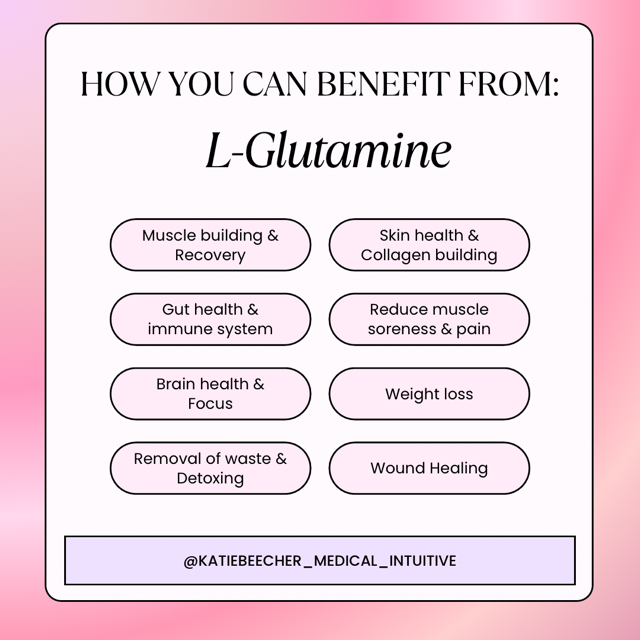
L-glutamine is one of the most abundant amino acids in the body and plays a quiet but powerful role in healing, repair, and resilience. During periods of stress, illness, intense exercise, or gut imbalance, your body can burn through glutamine faster than it can make it. When that happens, symptoms can show up in surprising ways.
Adequate glutamine levels support muscle repair and recovery, gut and immune health, and wound healing, while also helping with brain function and focus. It’s especially helpful for people dealing with chronic stress, inflammation, digestive issues, or soreness that lingers longer than it should.
Some people also notice benefits for skin health and collagen production, as well as reduced muscle soreness and improved recovery after workouts. Because gut health plays such a central role in metabolism and inflammation, glutamine can indirectly support weight balance and overall detox pathways by helping maintain a healthier intestinal lining.
As with any supplement, glutamine isn’t about fixing yourself; it’s about supporting the body’s natural repair systems when they’re under extra demand. Personalization matters, especially if you have hormone issues, gut sensitivity, or histamine concerns.
When you work with me, I will set you up a personalised fullscript account with recommendations for high-quality supplements and a 20% discount on retail and Amazon prices.
If you’d like personalised support, I can recommend the right form and dose for your body and goals. Visit my website to learn more or book a consult.
Do you have progesterone intolerance?
Common Symptoms
- Symptoms usually show up after ovulation (luteal phase) or after starting progesterone-containing meds:
Mood & Nervous System
- Anxiety, panic, irritability
- Depression or sudden mood crashes
- Insomnia
- Brain fog
Histamine-Type Symptoms
- Hives, rashes, itching
- Flushing
- Migraines
- Sinus congestion
- Asthma-like symptoms
Hormonal / Physical
- Breast tenderness
- Bloating, constipation
- Fatigue
- Dizziness
- Nausea
Severe (rare but real)
- Angioedema (swelling of lips, face)
- Anaphylaxis (medical emergency)
Progesterone intolerance isn’t about “too much progesterone,” but rather how your body processes or reacts to it.
Common drivers include:
- Histamine intolerance / MCAS (progesterone can trigger mast cells)
- Poor liver detoxification
- Low cortisol / adrenal dysfunction
- Estrogen dominance (progesterone added on top worsens symptoms)
- Synthetic progestins (much more reactive than bioidentical)
- Low GABA response (progesterone should feel calming—if it doesn’t, this matters)
Bioidentical vs Synthetic
- Synthetic progestins → most likely to cause reactions
- Oral micronized progesterone → can worsen symptoms due to liver metabolism
- Topical or vaginal progesterone → often better tolerated (but not always)
Do you need help determining if this applies to you, identifying the root causes, or knowing how to address it? Make your appointment today!
You Don’t Have to Accept a Label That Doesn’t Heal You
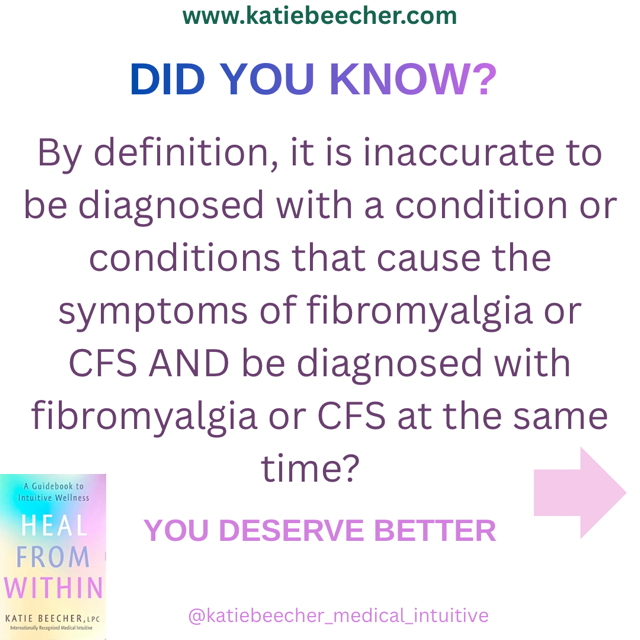
Fibro and CFS/ME are often diagnoses of exclusion, labels that get used when a clear cause hasn’t been identified yet. In my work, I’ve seen a wide range of possible contributors to these symptoms: physical, emotional, and even spiritual. When there are identifiable root causes, I believe it’s worth naming and addressing them, rather than stopping at a catch-all diagnosis.
I know this personally.
I was incorrectly labelled with fibromyalgia by a specialist at one of the most well-known medical facilities in the world, even though my history included EDS, injuries that explained chronic pain, insomnia, and histamine sensitivities. Other physicians and physical therapists disagreed with the fibro label, yet it still took six months of pushing to have it removed. Later, I learned they were running a study attempting to link EDS and fibromyalgia—and that left me furious. Too often, people end up on expensive medications while the underlying “why” is overlooked.
If you’ve been told to accept feeling unwell, in pain, or missing out on life, please don’t. There may be more answers available than you’ve been led to believe!
Make an appointment at katiebeecher.com.

Muscle Is Medicine: Why Strength Matters More in Midlife
Why muscle matters MORE in midlife
It’s never too late to get stronger; the trick is finding movement you genuinely enjoy, so you’ll actually stick with it. (For the record: I started aerial and pole at 54!)
After about age 30, we naturally lose muscle over time, and in midlife, that matters because muscle supports:
- Metabolism and blood sugar balance
- Bone strength (especially important for women)
- Hormone health and resilience
- Mobility, independence, and longevity
Translation: muscle is medicine.
The big shift in midlife training What worked at 25 often doesn’t work the same at 45+. Midlife bodies need strategy, not punishment.
1) Lift heavy(ish) on purpose
Aim for 2–4 strength sessions per week and prioritize compound movements (squats, deadlifts/hinges, lunges, rows, presses). A good rule: sets in the 6–12 rep range should feel genuinely challenging by the end. If rep 10 feels like a casual chat… It’s probably too light.
2) Protein becomes non-negotiable
Midlife muscles can become more resistant to growth (often called anabolic resistance). Protein helps. A general starting point is 0.7–1g of protein per pound of ideal body weight, spread across meals. Leucine-rich options include eggs, whey, fish, and quality meats.
3) Recovery matters more than grinding
Midlife stress responses can be sneakier, and too much intensity can backfire. Rest days build muscle, sleep supports recovery hormones, and excessive HIIT can be a problem for some people (especially during perimenopause). If you’re exhausted, inflamed, or not progressing, it may be too much, not too little.
Hormones & muscle (the part people skip)
As estrogen shifts, muscle can be harder to maintain, and fat can redistribute. Testosterone also declines (yes, in women too), which can impact recovery. Strength training improves insulin sensitivity and supports healthier hormone signalling, another reason it’s so powerful in midlife.
Supplements that may support (not magic, just helpful)
- Creatine (3–5g/day): strength, muscle retention, and even cognition
- Magnesium: sleep and recovery support
- Vitamin D: muscle + bone health
- Collagen + vitamin C: connective tissue support
(Always personalize, especially with hormone issues, medications, or histamine sensitivity.)
Meet Mary!
This is our new baby, a Holland lop named Mary. She is already litter trained after having her for just two short weeks and is very spoiled. Do you have any pets? I’d love to see pictures. Tag me on Instagram and use #KatieBeecher so I can find them!

You Are Not Broken
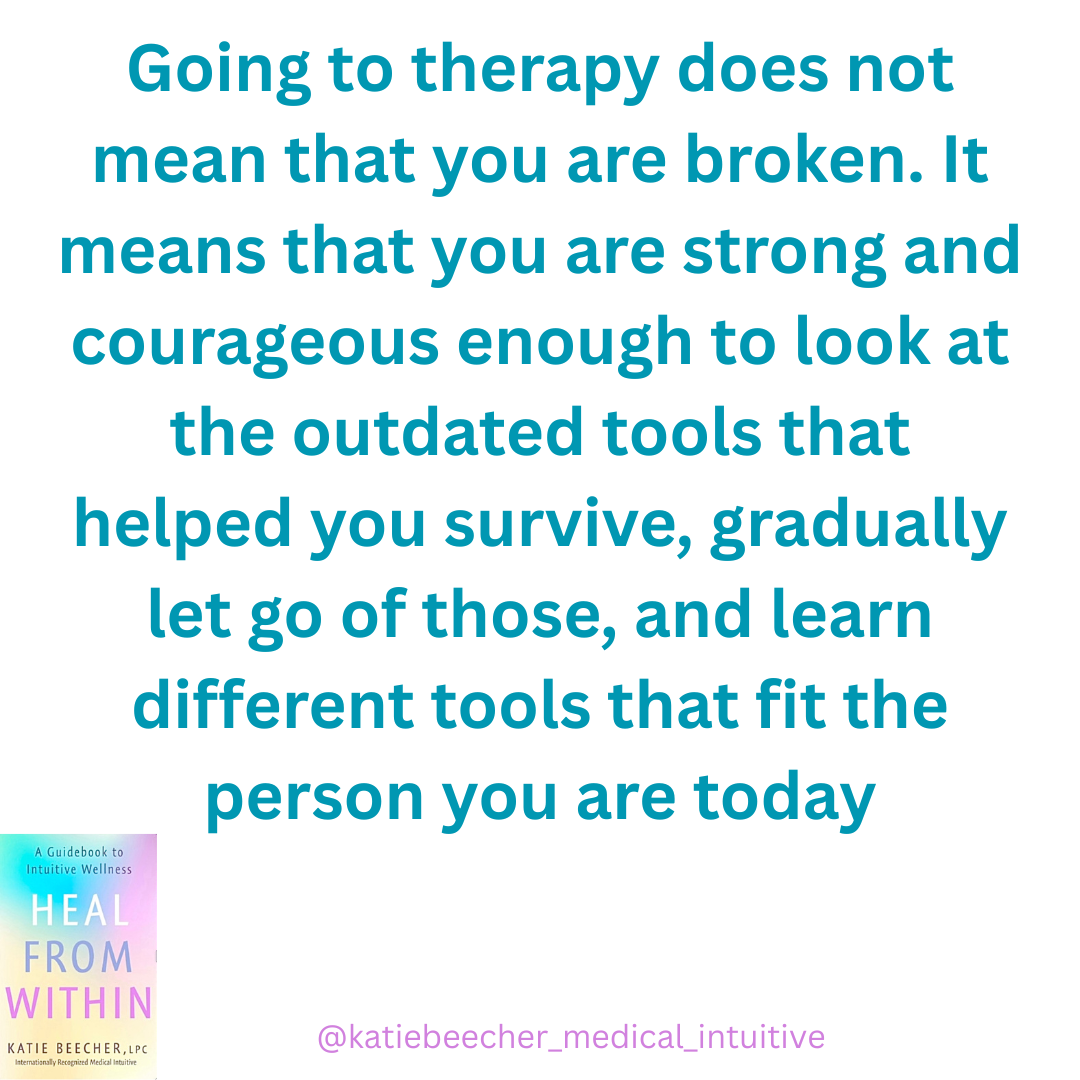
Therapy isn’t a sign that something is wrong with you; it’s proof that you’re brave enough to grow.
Sometimes the coping tools that helped you survive a hard season don’t fit the person you are now. Therapy gives you space to gently notice what’s outdated, release what’s no longer serving you, and learn new tools that support who you’re becoming, with more ease, clarity, and self-compassion. I’ve been helping people for over 35 years.
In the Spotlight: 200+ Podcast & Publication Features
Did you know I’ve been interviewed and featured on 200+ podcasts and major publications? New conversations are being released all the time—including four in January alone.
Recent topics include fertility, eating disorders, Lyme disease, mediumship, midlife health, hormones, Ehlers-Danlos and hypermobility, ADHD, neurodivergence, intuitive development, and more.
To explore a few highlights, visit my website for links to interviews, articles, and features.